Skilled Carpenter for Bespoke Woodwork Solutions
An experienced carpenter performs a crucial role in bespoke woodwork solutions. Their expertise guarantees that projects are completed with precision and innovation. From bespoke cabinetry to unique shelving, these craftspeople transform ideas into practical pieces. Recognizing the qualities that distinguish a proficient carpenter can significantly influence the outcome of a project. Knowing how to successfully collaborate and budget is equally important. What critical factors should one consider when initiating such a bespoke endeavor?
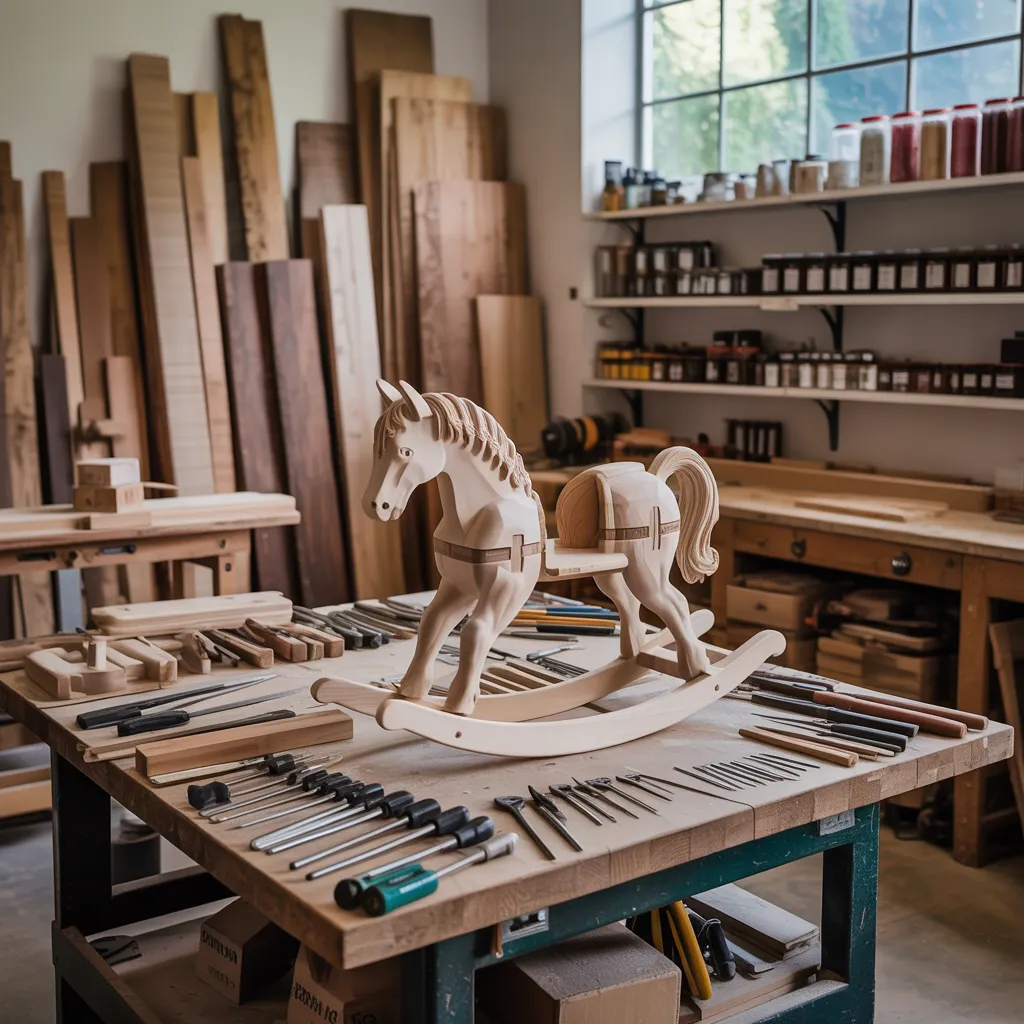
Why Work with an Accomplished Carpenter for Custom Woodwork?
Hiring a talented carpenter for bespoke woodworking can significantly improve the quality and visual appeal of a project. Woodworking proficiency ensures that each item is crafted with accuracy, meticulous attention to detail, and a thorough knowledge of materials. Proficient craftsmen provide the essential tools and techniques to convert concepts into functional art, whether it involves cabinetry, furniture, or decorative components. Their experience allows them to anticipate challenges and deliver effective solutions, culminating in a finished product that matches the client’s vision. Additionally, a proficient carpenter can share insights about wood varieties, finishes, and design styles, amplifying the overall outcome. The investment in a skilled artisan often results in superior craftsmanship that lasts over time, offering both beauty and strength. Ultimately, hiring a experienced carpenter is critical for achieving high-quality custom woodwork that uplifts any space.
Explore Bespoke Woodwork Options to Enhance Your Area
Custom woodwork offerings present an extensive range of possibilities for upgrading any room, permitting homeowners to customize their environments with unique designs. From bespoke cabinetry to detailed moldings, custom woodwork can remake ordinary rooms into remarkable ones. bespoke solutions such as built-in shelves, decorative mantels, and custom furniture can boost usefulness while adding aesthetic appeal.
Homeowners can select from different wood types, finishes, and styles to design a unified look that complements their existing decor. The adaptability of wood allows for both modern and traditional designs, catering to diverse tastes. Additionally, custom woodwork can address particular requirements, such as optimizing space efficiency in compact areas or crafting distinctive centerpieces in expansive rooms.
Important Traits to Consider in Your Woodworker
When initiating a custom woodwork assignment, detailed guide it is essential to find a carpenter who possesses key qualities that ensure both quality craftsmanship and clear communication. Above all, experience is vital; a veteran carpenter brings precious skills and insights that can improve the project. Careful attention to detail is another key quality, as precision can significantly affect the final result. Moreover, creativity is significant, enabling the carpenter to suggest innovative solutions that align with the client's vision.
Reliability plays an important role; a dependable carpenter keeps to schedules and adheres to timelines, guaranteeing a smooth workflow. Excellent communication abilities are essential, as they facilitate clear discussions about ideas, expectations, and potential challenges. Finally, a good carpenter should exhibit a commitment to client happiness, focusing on the client's needs and preferences throughout the project. By seeking these qualities, clients can secure a successful collaboration and exceptional custom woodwork outcomes.
How to Work Together With Your Carpenter on Design Ideas?
Effective collaboration with a carpenter starts with clearly sharing design visions. This transparent dialogue allows for a fruitful sharing of ideas, where both parties can participate creatively. Valuing the carpenter's expertise can lead in innovative solutions that enhance the overall project.
Convey Your Vision
How can property owners ensure their design concepts are effectively communicated to their woodworker? Direct dialogue is essential for successful collaboration. Homeowners should begin by creating visual materials, such as sketches, images, or inspiration boards, to illustrate their concepts. This assists close any differences between imagination and implementation. Additionally, discussing exact measurements, materials, and final touches guarantees that expectations align. Frequent meetings during the design process encourage an open dialogue, allowing for modifications and clarifications as needed. Homeowners should also be receptive to feedback, as skilled craftspeople often have important knowledge from their experience. By creating a teamwork environment, homeowners can guarantee their concept is not only communicated but also comprehended and realized effectively by their experienced woodworker.
Adopt Inventive Perspectives
Working with a woodworker unlocks the potential to innovative design solutions that can enhance any project. Successful partnership begins with open communication, where customers articulate their requirements and desires while staying open to the woodworker's knowledge. Providing initial sketches, mood boards, or reference photos can provide valuable context, enabling the carpenter to comprehend the preferred look and practical use.
Furthermore, participating in brainstorming sessions promotes a creative dialogue, where both parties can examine unique ideas and alternatives. The carpenter's experience can result in practical suggestions that improve the original vision, guaranteeing the final product is both beautiful and functional. Ultimately, welcoming creative input converts a simple project into a personalized masterpiece, reflecting the distinct style and needs of the client.
Methods to Allocate funds for Your Custom Woodwork Project?
What considerations should one take into account when budgeting for a custom woodwork project? First, the choice of materials notably affects costs. High-quality wood, hardware, and finishes can elevate the project's price. Second, the intricacy of the design should be evaluated; intricate patterns or custom features demand more time and skill, which can raise labor costs.
Furthermore, the magnitude of the project functions as a vital component; larger pieces naturally necessitate more materials and energy. One must also take into account conceivable supplementary expenses, such as authorizations or assembly fees.
Finally, incorporating a buffer for unexpected costs guarantees the project stays within budget. By carefully evaluating these factors, one can create a realistic budget that reflects both the quality desired and the limitations of available funds. Advance planning and working with a skilled carpenter can further aid in refining the budget, facilitating a successful custom woodwork project.
The Sustained Merit of Personalized Wood Craftsmanship
Putting money into custom woodwork extends beyond immediate costs, yielding significant lasting returns that can enhance both aesthetics and functionality in a space. Excellent workmanship assures resilience, often exceeding the durability of commercially manufactured items. Bespoke furnishings are designed to fit specific needs, maximizing room efficiency and boosting spatial organization, which can contribute to enhanced home worth.
Furthermore, the distinctive nature of custom woodwork contributes a customized feel that enhances the overall ambiance of a residence or workplace. This custom craftsmanship often appeals to purchasers and can make a residence stand out in the real estate market.
Additionally, artisan woodwork allows the use of sustainable materials, contributing to environmentally responsible living. Clients often discover that the investment pays off through reduced maintenance costs and the enduring appeal of bespoke items. Fundamentally, artisan woodwork is not just a purchase; it's a obligation to excellence and distinctiveness that can yield notable returns over time.
Common Inquiries Posed Often
What Kinds of Wood Are Ideal for Custom Projects?
Hardwoods like oak, maple, and cherry are perfect for bespoke creations due to their durability and visual beauty. Softwoods such as pine and cedar are also popular for their workability and affordability in various applications.
How Long Will a Personalized Woodwork Undertaking Typically Require?
A custom woodwork undertaking usually requires anywhere from a few days to several weeks, depending on the level of complexity, choice of materials, and skilled labor needed. Timelines can vary considerably according to the project's specific requirements and the woodworker's schedule.
Can I see samples of Your Past Work?
Previous work examples are available via a portfolio showcasing various projects. Prospective parties can explore visuals and write-ups that accentuate craftsmanship and vision, revealing the breadth and quality of completed bespoke woodwork efforts.
Can You Provide Guarantees on Your Custom Woodwork?
Yes, warranties are extended on personalized wood creations, ensuring quality and durability. This pledge indicates assurance in expert workmanship, allowing clients to remain confident in their investment, knowing that any issues will be managed promptly.
How Do You Navigate Changes During the Project?
Throughout the project, changes are overseen through collaborative dialogue and clear communication. The carpenter consults on modifications with the client, confirming all revisions copyright the original vision while addressing any fresh demands or criteria successfully.